 By Independent News Roundup

A recent preclinical cancer study produced a striking result: in a mouse solid tumor model (Ehrlich carcinoma), a combination of Grape Seed Extract (GSE) + Vitamin C reduced tumor volume more than chemotherapy. Researchers compared multiple treatment arms—including doxorubicin (DOX, nicknamed the “red devil”) as the chemo comparator—and found that the GSE + Vitamin C group showed the greatest mean tumor volume reduction, outperforming DOX in this experiment.
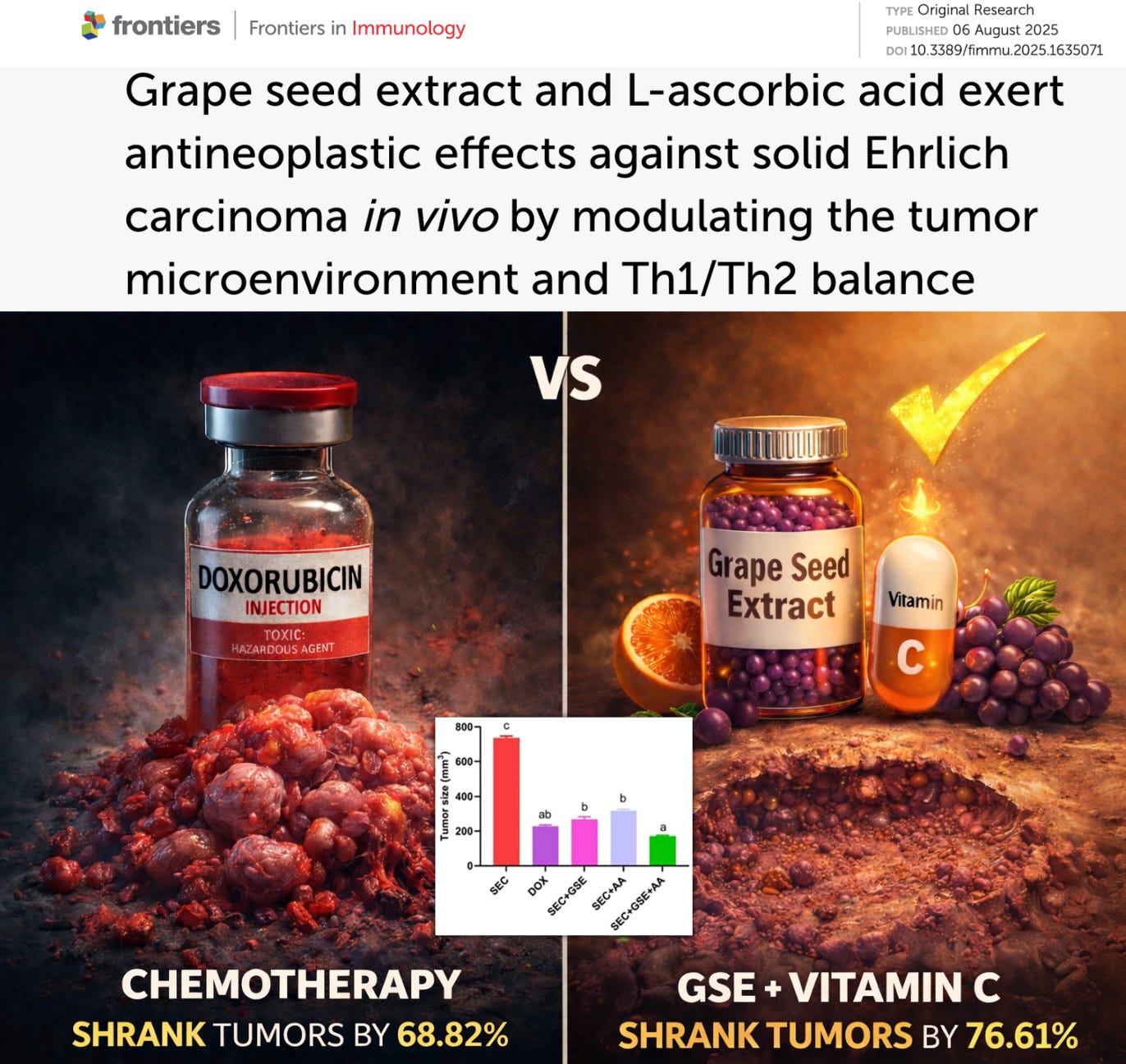
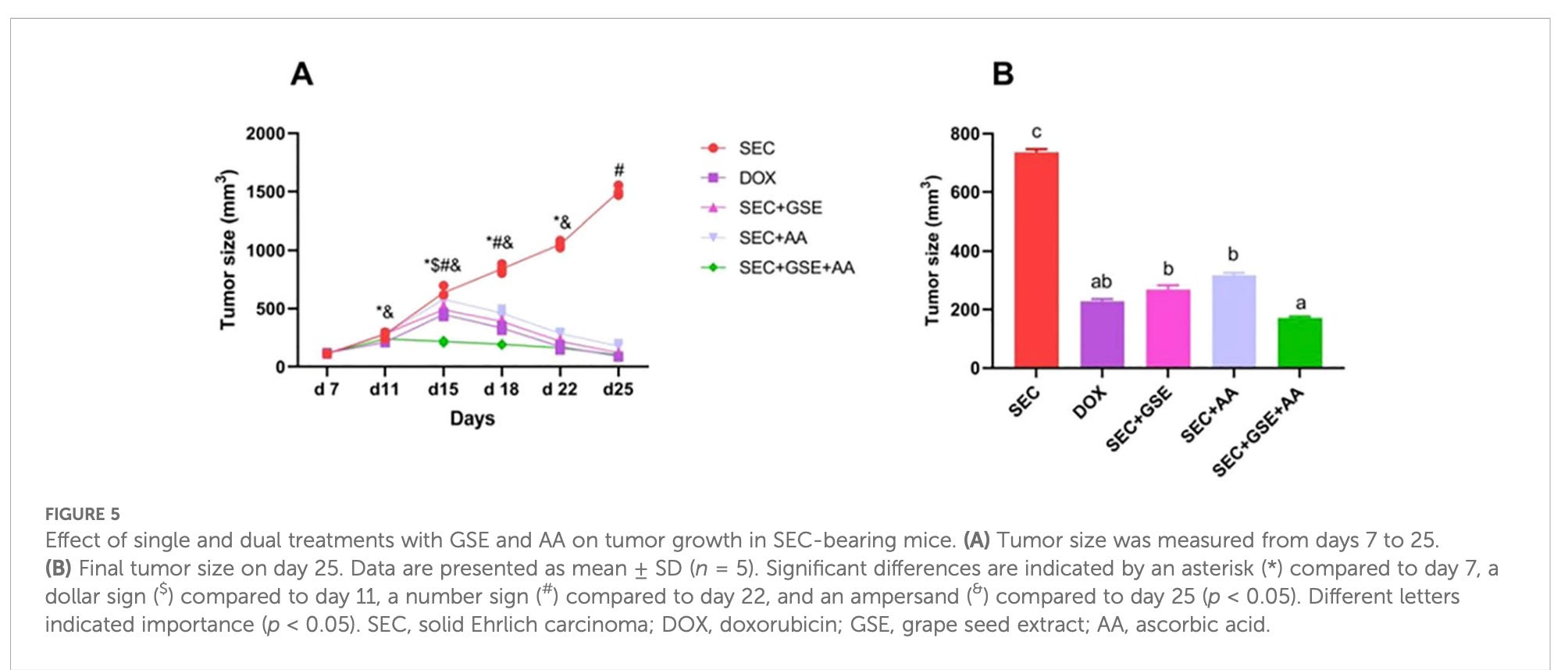
In other words, within this model, the GSE + Vitamin C combination produced the greatest mean tumor shrinkage, exceeding the reduction seen with doxorubicin chemotherapy.
Beyond simply reducing tumor size, the GSE + Vitamin C combination produced marker changes consistent with a real mechanistic anti-cancer effect—suppressing tumor growth signals while activating tumor cell death and immune pressure:
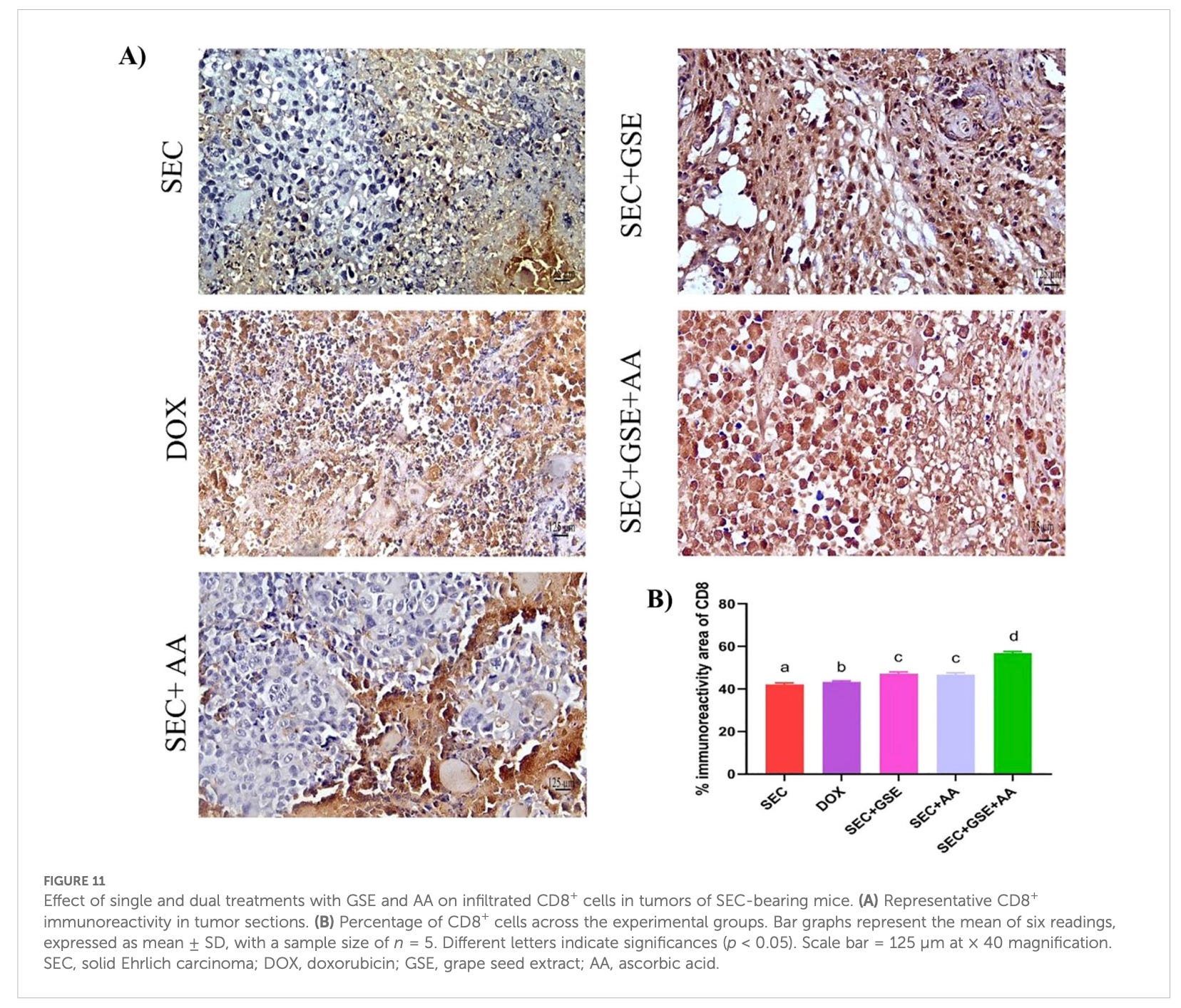
Taken together, these findings suggest the combo wasn’t just slowing growth—it was pushing tumors toward cell death while making the tumor environment less immune-protected and more vulnerable to immune attack.
This is a compelling head-to-head preclinical comparison—but it remains a mouse study. Still, the effect size, the chemo comparator, and the immune remodeling signals make it a result worth serious attention and follow-up.
In this mouse tumor model, GSE + Vitamin C outperformed the “red devil” chemotherapy, achieving 76.61% vs. 68.82% mean tumor volume reduction, while also showing tumor marker and immune-environment changes consistent with true anti-cancer activity. And this isn’t surprising—a large body of research has documented anti-cancer mechanisms of vitamin C across multiple tumor systems, especially through oxidative stress–mediated tumor injury and immune support.

.svg)