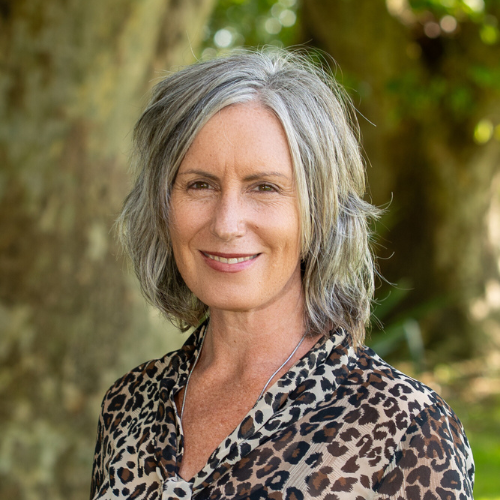
 By Penny Marie NZ

Independent journalist Penny Marie has released a new investigation warning that UN‑aligned “gender equality” frameworks adopted across New Zealand are quietly redefining what it means to be a woman – with far‑reaching consequences for policy, data, and everyday life.
In a detailed article on her Substack, pennymarie.nz, Penny examines the UN Women’s Empowerment Principles (WEPs), Sustainable Development Goal 5 (SDG 5), the NZ WEPs Survey Report 2024–2025, and the New Zealand Law Society’s Gender Equality Charter. She argues that these documents increasingly define “women” to include “those who identify as women”, blurring the line between sex and self‑declared gender.
“Once ‘women’ becomes ‘those who identify as women’, every quota, pay gap statistic and leadership target supposedly for women can include men. The public sees ‘progress for women’ on paper, without any guarantee that female people are the ones actually benefiting.”
Penny also challenges the narrow model of “equality” embedded in these frameworks, which focuses heavily on women matching men in senior corporate and professional roles, while sidelining the realities of motherhood, caregiving and community life.
“Not all women want to live a male‑pattern career. Many mothers want balance – time for family, community, and paid work. Yet the official ‘gender equality’ narrative treats women’s success as matching men in top jobs, while quietly devaluing the work of raising children and nurturing communities.”
(apologies for audio quality)
Her Substack piece argues that this shift from sex‑based to gender‑identity‑based policy is not occurring in isolation. It sits alongside:
Penny links these developments to the broader spread of Diversity, Equity and Inclusion (DEI) policies, warning that identity‑based targets risk displacing merit and undermining trust in key institutions:
“When board seats and senior roles are used to satisfy identity metrics, rather than to appoint the best people for the job, everybody loses. It’s bad for institutions, bad for the economy, and deeply unfair to women and men who just want honest, competent leadership.”
She is calling on both women and men in New Zealand to engage with these issues:
“New Zealand can treat every person with dignity without redefining women out of existence or treating motherhood and community work as second‑class. That starts with honesty about what these UN‑aligned frameworks are really doing – and who they truly serve.”The full analysis, including references to the NZ WEPs Survey Report, the Gender Equality Charter, and New Zealand’s UN disability/SOGI voting record, is available at on Substack and X.

.svg)